
Cabinets in Jonesboro, GA
Clarify what a cabinet offer includes before making a purchase commitment.
Send my cabinet inquiry
Or call (562) 203-3232. Calls only, we do not receive text messages.
An informal cabinet offer can tell you a color and a total while leaving the actual purchase hard to describe. If you are shopping in Jonesboro, ask what would have to be written down before that offer became a decision you could defend. Clayton Cabinet Ledger approaches buying as a series of answers, each tied to the particular goods and responsibilities under consideration.
- Independent buying guidance
- Product inquiries
- Seller availability confirmed separately
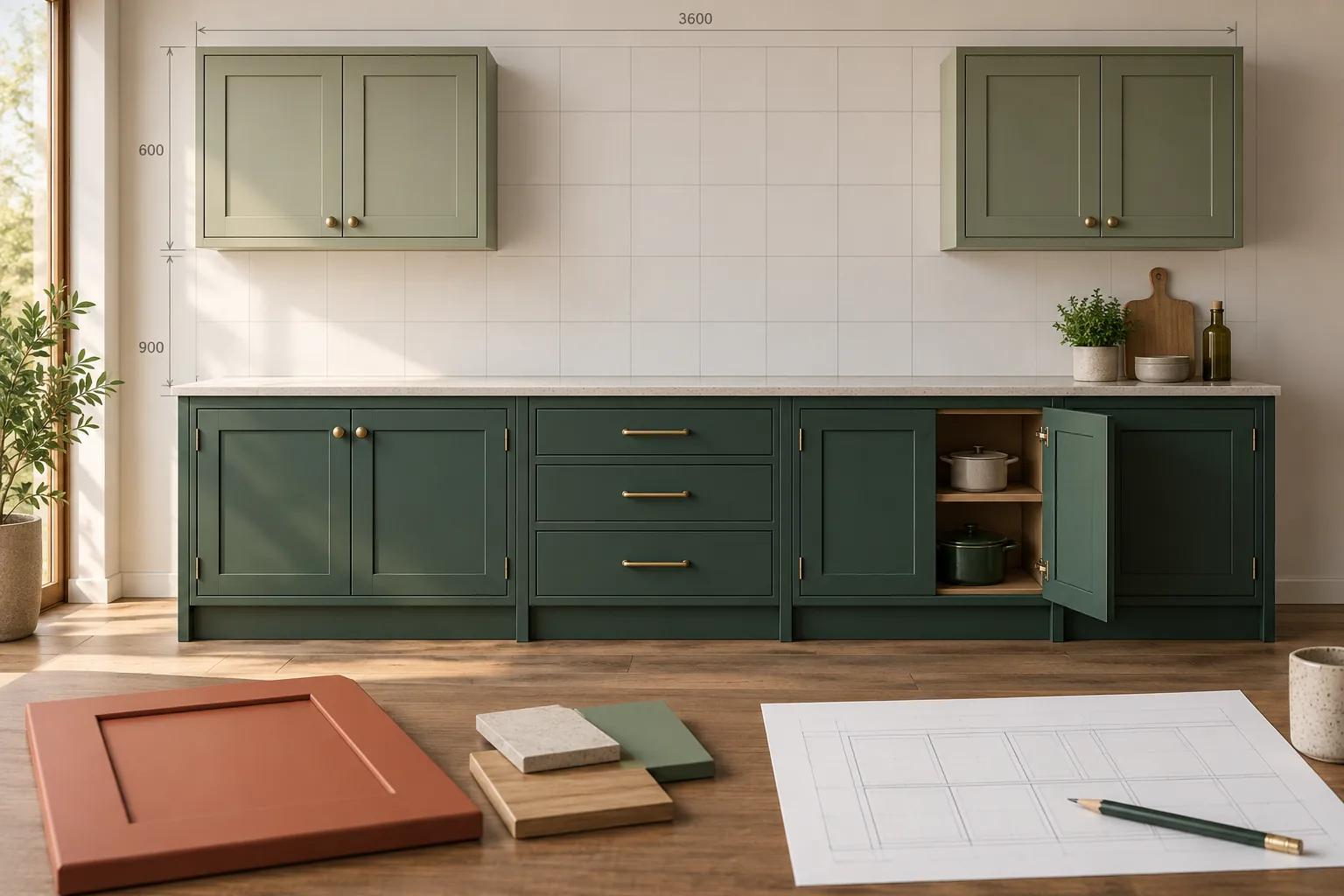
Cabinet product illustrations
Illustrative product visualizations, not completed work, local properties or supplier facilities.
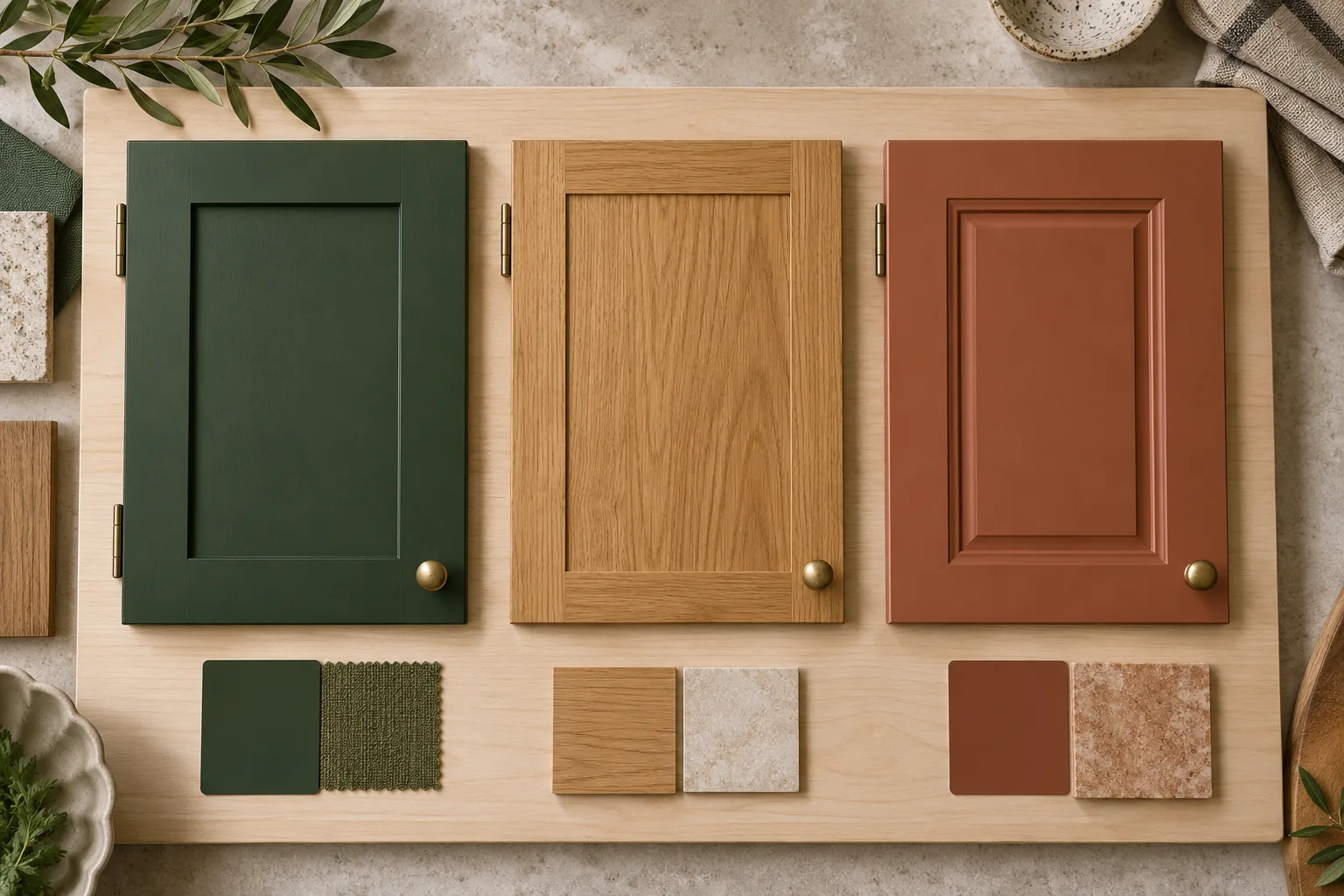

Prepare the purchase before choosing a supplier
Imagine a buyer shown a kitchen package with an optional island but no clear account of its finishing pieces. This guide follows the questions that turn the attractive proposal into something comparable. The Ledger supplies independent information, and the owner records inquiries for review. A form submission does not create a product sale, establish supplier participation, or arrange project labor.
About Clayton Cabinet Ledger
Know who handles each part
Independent cabinet buying information and quote-request service. We do not manufacture, stock or install cabinets. A referral, supplier response, appointment or purchase is not guaranteed. Product availability, delivery and installation must be confirmed directly with the seller or separately engaged contractor.
Ask what the offer is actually offering
Start by describing the proposed purchase in ordinary language. Does it cover the wall units, the island, both, or a list that has not yet been settled? The name kitchen package cannot answer that. Ask the seller to identify the products and quantity behind the description before you compare its total with a different offer.
In the hypothetical example, the picture includes an island with finished sides. The buyer should ask whether those sides are included, optional, or simply pictured. That question is useful even before the final color choice. It reveals whether the offer describes the intended result or only some of the pieces needed to create it.
Keep the answer alongside the image that prompted it. If the seller revises the offer, date the revision and describe what changed. Do not rely on a conversation that refers to the package without identifying its contents. A short precise record will be more useful later than an attractive screenshot with an unexplained price.
Distinguish a product answer from a room answer
A seller can identify an offered unit without knowing whether it suits the room. Record the wall and opening information the proposed arrangement relies on, including retained appliance details. State which measurements were personally observed and which are preliminary. The buyer should know what still needs checking before the plan is used for an order.
For the hypothetical island, the question is not merely whether the unit fits on a sketch. Ask how the complete arrangement relates to surrounding appliances and moving fronts, using the actual intended products. Avoid a universal numeric allowance. The person verifying the plan needs information about the specific combination and the room, not a generic rule copied from another kitchen.
The IKEA planning reference supports gathering room measurements and dimensions of appliances that stay. It does not approve this example or establish a measuring service from the Ledger. Use it to identify missing evidence, then arrange verification with the party relying on the final plan.
Make the comparison explain a difference
When another offer arrives, put the proposed pieces beside one another. Identify what matches, what differs, and what one seller has not answered. A lower total may be an acceptable offer, but the buyer needs to know why it is lower. An unexplained gap is a question rather than a saving.
Ask about the actual box, front, hardware, and visible completion pieces. If the island is excluded from one offer, separate it from the base comparison. If one seller changes the product range, compare the consequences of that change. Do not describe two offers as equivalent merely because they use the same broad color or style word.
Keep transaction questions in the same comparison record. Who supplies assembly, what destination is accepted, and what handling is included can matter as much as the listed units. Write an unresolved responsibility explicitly. Leaving it outside the table makes it easy to treat work you must arrange yourself as part of the seller's proposal.
Cost estimates for a package with an optional island
The supplied sources contain no observed Jonesboro cabinet price list. Ask for estimates for a clearly defined base kitchen and for the island addition, keeping the underlying product selections identifiable. Require the island proposal to explain any additional finishing pieces. Its main-unit price alone may not describe the complete addition you intend.
Keep delivery, applicable charges, and separately engaged labor visible. If one amount has not been obtained, mark it unknown instead of silently assigning zero. A product subtotal can help compare goods, while the intended complete purchase includes the responsibilities you actually plan to buy. Ask the seller what assumptions make its estimate preliminary.
Package-and-island estimates are subject to change when the accepted units, selections, or fulfillment change; the seller's written quote must establish the final supplied scope and amount. The Ledger does not publish an available local sale price. Obtain distinct documented terms for any independently arranged measuring, assembly, or installation rather than treating them as implied inclusions.
Use the local plan without inventing freight conditions
The supplied Moving Clayton Forward plan names Jonesboro, Riverdale, Morrow, and Lovejoy and distinguishes transit corridors. That provides geographic context for the site. A planning corridor is not evidence that a cabinet carrier accepts an address or that freight follows the same route.
Name the actual project locality and ZIP when seeking fulfillment information. Ask the seller to assess the intended destination and explain its delivery terms. Do not attach a housing type, driveway condition, or service promise to the place name. The useful local question concerns the property and transaction being considered, not an imagined typical Clayton County kitchen.
The three locality guides use separate hypothetical decisions: a substitution in Riverdale, sample review in Morrow, and purchasing authority in Lovejoy. These exercises are editorial choices rather than claims about residents. Pick the problem relevant to your purchase while keeping your own project location and observations accurate.
Submit the unanswered question for owner review
A useful inquiry identifies the proposal you are considering and the answer you still need. For the example, that could be the missing island panels or a delivery inclusion that has not been explained. Include the relevant project facts and preferred timing without presenting preliminary choices as a final authorization.
The owner receives and reviews the inquiry record. If you permit a possible sharing of contact details, make that permission explicit. There is no automatic placement with a vetted seller, and supplier willingness has not been established. A potential recipient would need to accept consideration independently before any further discussion could be relied upon.
Return to the written record before buying from a seller. Verify that it reflects the current pieces, destination, responsibilities, and accepted version of the plan. The information guides help you ask and preserve those answers; the parties offering the goods or work must establish their own commitments. A review by the Ledger is not a substitute for their accepted terms.
Inquiry process
From buying questions to a possible supplier quote
Sending an inquiry does not reserve products or book work.
Describe the purchase
Include project ZIP, room, approximate cabinet list and preferred timing.
Clarify requirements
Identify assembly, access, measurements and any separately arranged labor.
Confirm referral availability
An inquiry can be referred only if a suitable seller accepts the location and product request.
Review seller terms
Confirm the final drawing, itemized price, payment, delivery and return terms directly before ordering.
Questions
Questions Jonesboro homeowners ask
What should I ask about an attractive package image?
Ask which visible goods are included in the actual offer and which are optional or illustrative. Identify the underlying product references and quantity. The picture can express a desired appearance, but it cannot establish the full supplied order or the responsibilities attached to its total.
Can an initial quote prove that my island will fit?
An initial amount can describe the products being priced without verifying the room arrangement. Preserve the relevant dimensions, appliance documents, and open movement questions. Ask the party approving the purchasing plan how those facts will be checked for the intended combination.
Do county transit corridors establish cabinet delivery routes?
The planning source supplies geographic context, not carrier acceptance or freight terms. Obtain the actual seller's response for your destination and service level. Do not assume that a named public transit corridor defines how an unrelated cabinet shipment will be fulfilled.
What does the Ledger do with my inquiry?
The owner records it for review with the project details you supply. A possible contact handoff requires permission and independent acceptance; a response or supplier arrangement is unverified. Describe the open buying question so the record can be considered without implying an order has been placed.
Send my cabinet inquiry
Or call (562) 203-3232. Calls only, we do not receive text messages.
Talk to us about your project
Describe the purchase and project ZIP in Jonesboro. Supplier acceptance and any referral are confirmed separately; no visit or quote is booked by this form.
Calls only, we do not receive text messages.